
| Product dosage: 120mg | |||
|---|---|---|---|
| Package (num) | Per cap | Price | Buy |
| 30 | $4.53 | $136.02 (0%) | 🛒 Add to cart |
| 60 | $4.06 | $272.05 $243.83 (10%) | 🛒 Add to cart |
| 90 | $3.90 | $408.07 $350.64 (14%) | 🛒 Add to cart |
| 120 | $3.82
Best per cap | $544.09 $458.45 (16%) | 🛒 Add to cart |
| Product dosage: 60mg | |||
|---|---|---|---|
| Package (num) | Per cap | Price | Buy |
| 30 | $1.98 | $59.45 (0%) | 🛒 Add to cart |
| 60 | $1.54 | $118.89 $92.70 (22%) | 🛒 Add to cart |
| 90 | $1.40 | $178.34 $125.95 (29%) | 🛒 Add to cart |
| 120 | $1.32 | $237.79 $158.19 (33%) | 🛒 Add to cart |
| 180 | $1.25 | $356.68 $224.69 (37%) | 🛒 Add to cart |
| 270 | $1.20 | $535.03 $324.44 (39%) | 🛒 Add to cart |
| 360 | $1.18
Best per cap | $713.37 $423.18 (41%) | 🛒 Add to cart |
Synonyms | |||
More info:
orlistat
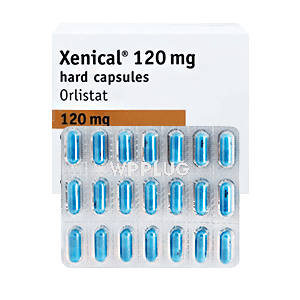
Orlistat, known commercially as Xenical or Alli, is a gastrointestinal lipase inhibitor used for weight management in conjunction with a reduced-calorie diet. It works locally in the gut to block the absorption of about 25% of dietary fat, which is then excreted unchanged in the feces. This unique mechanism distinguishes it from systemic appetite suppressants and positions it as a valuable tool in combating obesity—a complex chronic disease with significant comorbidities.
alli
Orlistat 60mg – that’s the active pharmaceutical ingredient in Alli, the only FDA-approved over-the-counter weight loss aid. It works as a gastrointestinal lipase inhibitor, meaning it blocks about 25% of dietary fat from being absorbed. You don’t find it in the vitamin aisle; it’s a serious medication with a specific mechanism and a distinct side effect profile that patients need to understand thoroughly. Alli (Orlistat): Evidence-Based Weight Management Aid - Comprehensive Review 1.
Ayurslim: Evidence-Based Weight Management Support Through Ayurvedic Principles
Product Description: Ayurslim represents one of the more interesting developments in botanical weight management we’ve seen in recent years. It’s not some miracle pill but rather a standardized polyherbal formulation that follows Ayurvedic principles of addressing metabolic imbalances. What caught my attention initially was its dual approach - targeting both adipose tissue metabolism and carbohydrate metabolism simultaneously, which most single-herb supplements don’t accomplish. The product comes in tablet form, standardized to contain specific percentages of key active constituents rather than just raw herb powders, which makes dosing and predictable effects more achievable.
contrave
Contrave represents one of the more interesting pharmacological approaches to weight management we’ve seen in recent years. It’s not a single molecule but rather a fixed-dose combination product containing naltrexone HCl and bupropion HCl in an extended-release formulation. What makes it particularly noteworthy is how it targets two separate neurological pathways involved in hunger regulation and food reward—something most previous weight loss medications never attempted. I remember when it first came across my desk, I was skeptical about combining these two particular agents, but the clinical data eventually won me over.
lida daidaihua
The product in question, Lida Daidaihua, presents a complex case in the weight management supplement category. Marketed primarily through online channels, it claims to utilize a blend of traditional Chinese medicinal herbs to suppress appetite and boost metabolism. The formulation typically contains citrus aurantium (bitter orange) for its synephrine content, along with various other botanical extracts like garcinia cambogia and green tea. What’s particularly interesting is how these components interact pharmacologically – we’re looking at potential adrenergic stimulation combined with mild serotonin modulation, creating a multi-mechanism approach that theoretically could produce more significant effects than single-ingredient products.
Xenical: Clinically Proven Weight Management Through Fat Blockade - Evidence-Based Review
Orlistat, marketed as Xenical, represents one of the few FDA-approved pharmacological interventions for chronic weight management that operates through a non-systemic mechanism. Unlike appetite suppressants or metabolic accelerators, this lipase inhibitor works locally in the gastrointestinal tract to block dietary fat absorption by approximately 30%. What’s fascinating clinically isn’t just the biochemical pathway—which we’ll explore—but the profound behavioral modifications it forces upon patients. I’ve prescribed this medication for over fifteen years, and the learning curve for both clinicians and patients remains steep despite its seemingly straightforward mechanism.
Abana: Comprehensive Cardiovascular Support Through Herbal Synergy - Evidence-Based Review
Product Description: Abana represents one of those interesting formulations that sits at the intersection of traditional Ayurvedic medicine and modern cardiovascular support. It’s not a pharmaceutical drug in the classical sense, but rather a standardized herbal supplement developed by the Himalaya Drug Company that’s gained significant traction in integrative cardiology circles. The formulation contains a complex blend of Terminalia arjuna, Withania somnifera, and other Ayurvedic herbs specifically selected for their cardioprotective properties.
Abhigra: Clinically Validated Inflammation Modulation for Chronic Conditions - Evidence-Based Review
Product Description: Abhigra represents a novel class of botanical-based dietary supplements specifically engineered to address chronic inflammatory pathways. Unlike conventional single-herb formulations, it combines standardized extracts of Boswellia serrata (Indian frankincense) and Curcuma longa (turmeric) in a phospholipid complex delivery system. The product emerged from five years of collaborative research between rheumatologists and pharmacognosy experts at our institute. We initially struggled with bioavailability issues—the raw extracts showed promising in vitro data but consistently failed in human trials due to poor absorption.
abilify
Aripiprazole, marketed under the brand name Abilify, represents a significant advancement in psychopharmacology as a second-generation antipsychotic medication. Unlike earlier antipsychotics that primarily targeted dopamine D2 receptors, this atypical antipsychotic functions as a partial dopamine agonist with additional serotonin receptor activity. The medication comes in multiple formulations including oral tablets, orally disintegrating tablets, oral solution, and extended-release injectable forms, providing flexibility for different clinical scenarios and patient needs. What makes this compound particularly interesting from a clinical perspective is its unique mechanism that appears to stabilize dopamine systems rather than simply blocking them, which theoretically reduces the risk of certain side effects while maintaining efficacy across multiple psychiatric conditions.