
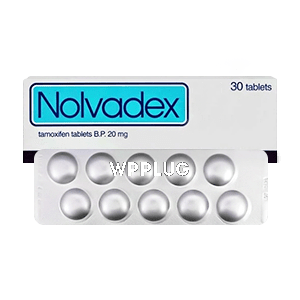
| Product dosage: 20mg | |||
|---|---|---|---|
| Package (num) | Per pill | Price | Buy |
| 60 | $0.72 | $43.33 (0%) | 🛒 Add to cart |
| 90 | $0.67 | $64.99 $60.46 (7%) | 🛒 Add to cart |
| 120 | $0.64 | $86.65 $76.58 (12%) | 🛒 Add to cart |
| 180 | $0.61 | $129.98 $109.83 (16%) | 🛒 Add to cart |
| 270 | $0.59 | $194.97 $160.21 (18%) | 🛒 Add to cart |
| 360 | $0.58
Best per pill | $259.96 $210.59 (19%) | 🛒 Add to cart |
Synonyms
| |||
Similar products
More info:
tamoxifen
Tamoxifen citrate represents one of the most significant advances in endocrine oncology over the past half-century. As a selective estrogen receptor modulator (SERM), this medication occupies a unique therapeutic niche—functioning as an antagonist in breast tissue while demonstrating agonist properties in other tissues like bone and endometrium. The clinical implications of this tissue-selective activity have revolutionized both treatment and prevention strategies for hormone receptor-positive breast malignancies across global healthcare systems.
arimidex
Anastrozole, marketed under the brand name Arimidex, represents a cornerstone in the endocrine therapy arsenal for hormone receptor-positive breast cancer. This nonsteroidal aromatase inhibitor has fundamentally altered treatment paradigms since its introduction, offering postmenopausal women with early and advanced breast cancer a targeted approach to reducing estrogen production. Unlike earlier hormonal therapies that broadly suppressed estrogen activity, Arimidex specifically blocks the aromatase enzyme responsible for converting androgens into estrogens in peripheral tissues—the primary source of estrogen in postmenopausal women.
aromasin
Aromasin, known generically as exemestane, is an oral steroidal aromatase inactivator used primarily in postmenopausal women with hormone receptor-positive early or advanced breast cancer. Unlike earlier anti-estrogen therapies that simply blocked estrogen receptors, Aromasin works by permanently deactivating the aromatase enzyme responsible for converting androgens into estrogen throughout the body. This represents a significant advancement in endocrine therapy, particularly for women who have developed resistance to tamoxifen or other selective estrogen receptor modulators.
chloroquine
Chloroquine is a 4-aminoquinoline compound that’s been kicking around since the 1930s - we’ve got this old yellow powder that somehow became one of the most controversial medications of our time. Originally derived from quinine, which itself came from cinchona bark that South American indigenous populations used for fever, it’s fascinating how this simple molecule ended up at the center of global health debates. The chemical structure is C18H26ClN3, molecular weight 319.
clomid
Clomiphene citrate, commonly known by its brand name Clomid, represents one of the foundational oral medications in reproductive endocrinology. As a selective estrogen receptor modulator (SERM), it’s primarily indicated for ovulation induction in anovulatory women, though its applications have expanded into male infertility and research settings. What’s fascinating isn’t just its mechanism—blocking estrogen receptors in the hypothalamus to increase gonadotropin secretion—but how this simple molecular action creates such profound clinical effects.
Danazol: Effective Hormonal Suppression for Complex Gynecological and Immunological Conditions - Evidence-Based Review
Danazol is a synthetic androgen derived from ethisterone, first developed in the 1960s. It functions as a gonadotropin inhibitor, suppressing pituitary-ovarian axis activity. Structurally, it’s a 2,3-d-isoxazol derivative of 17α-ethinyl testosterone, giving it both androgenic and anabolic properties while lacking estrogenic and progestogenic effects. Therapeutically, it creates a pseudo-menopausal state, making it valuable for endometriosis, hereditary angioedema, and certain benign breast conditions. Its unique mechanism involves direct inhibition of steroidogenesis in the gonads and competitive binding to steroid receptors.
estriol
Estriol represents one of the three primary estrogens produced in the human body, though it’s often overlooked in favor of its more potent siblings, estradiol and estrone. What makes estriol particularly interesting clinically is its unique safety profile - it binds to estrogen receptors with approximately 1/1000th the affinity of estradiol, yet still provides significant therapeutic benefits. This weak estrogen paradox creates what we call a “safety window” that’s been exploited in European medicine for decades, though it’s taken American practitioners much longer to appreciate its value.
evista
Evista, known generically as raloxifene hydrochloride, is a selective estrogen receptor modulator (SERM) approved by the FDA for the prevention and treatment of osteoporosis in postmenopausal women and for reduction in risk of invasive breast cancer in this same population. It occupies a unique niche in women’s health therapeutics, offering bone-protective and anti-estrogen effects without the endometrial stimulation seen with traditional hormone replacement therapy. Evista: Bone Protection and Breast Cancer Risk Reduction - Evidence-Based Review 1.
Femara: Targeted Hormone Therapy for Breast Cancer and Infertility - Evidence-Based Review
Letrozole, marketed under the brand name Femara among others, is an oral non-steroidal aromatase inhibitor (AI) used primarily in the treatment of hormone receptor-positive breast cancer in postmenopausal women. It works by inhibiting the aromatase enzyme, which is responsible for the conversion of androgens into estrogens in peripheral tissues. This significant reduction in circulating estrogen levels deprives estrogen-sensitive breast cancer cells of the hormonal stimulation needed for growth and proliferation. Beyond its established role in oncology, Femara has found important applications in reproductive medicine, particularly for ovulation induction in women with anovulatory infertility, such as those with polycystic ovary syndrome (PCOS).