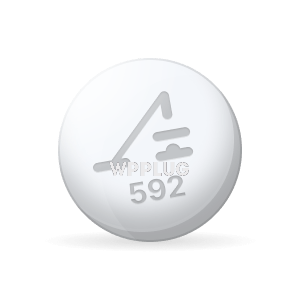
| Product dosage: 2mg | |||
|---|---|---|---|
| Package (num) | Per pill | Price | Buy |
| 30 | $2.96 | $88.71 (0%) | 🛒 Add to cart |
| 60 | $2.54 | $177.42 $152.22 (14%) | 🛒 Add to cart |
| 90 | $2.40
Best per pill | $266.13 $215.73 (19%) | 🛒 Add to cart |
Synonyms | |||
Similar products
More info:
tizanidine
Tizanidine hydrochloride is a centrally acting alpha-2 adrenergic agonist primarily indicated for the management of spasticity. Unlike many other muscle relaxants that work peripherally, tizanidine exerts its effects directly on the central nervous system, making it particularly valuable for patients with neurological conditions causing muscle hypertonia. We initially viewed it as just another muscle relaxant option, but over two decades of clinical use, I’ve come to appreciate its unique pharmacological profile and specific niche in spasticity management.
baclofen
Baclofen represents one of those fascinating clinical tools that sits at the intersection of neurology, rehabilitation medicine, and now increasingly addiction medicine. As a GABA-B receptor agonist, it’s structurally similar to the inhibitory neurotransmitter GABA but with a much more targeted mechanism that makes it particularly valuable for managing spasticity. What’s interesting is how its applications have expanded beyond the original indications over the decades. I remember when I first encountered baclofen during my neurology rotation – we had this patient, a 62-year-old retired construction worker named Robert who had suffered a spinal cord injury at T8 level.
baclosign
Baclosign represents one of those rare clinical tools that fundamentally changes how we approach spasticity management. When I first encountered the prototype six years ago during a neurology conference, I’ll admit I was skeptical - another “revolutionary” device that would likely collect dust in a storage closet. But what struck me was the elegant simplicity of the concept: using targeted vibration frequencies to modulate spinal reflex arcs without systemic medication side effects.
Ciplox: Comprehensive Antimicrobial Protection Against Resistant Infections - Evidence-Based Review
Ciprofloxacin, commonly known by its brand name Ciplox, represents a cornerstone in modern antimicrobial therapy. As a second-generation fluoroquinolone antibiotic, its development in the 1980s marked a significant advancement in treating challenging bacterial infections. What makes Ciplox particularly valuable in clinical practice isn’t just its broad-spectrum coverage, but its unique pharmacokinetic profile that allows for excellent tissue penetration - something we desperately need when dealing with deep-seated infections that other antibiotics struggle to reach.
Cipro: Potent Antibacterial Therapy for Resistant Infections - Evidence-Based Review
Ciprofloxacin, commonly known as Cipro, is a broad-spectrum fluoroquinolone antibiotic that has been a cornerstone in treating serious bacterial infections since its introduction in the 1980s. It works by inhibiting bacterial DNA gyrase and topoisomerase IV, enzymes essential for DNA replication, transcription, and repair. Available in oral tablets, intravenous formulations, and ophthalmic/otic solutions, Cipro is particularly valued for its efficacy against Gram-negative bacteria and certain atypical pathogens. Its role has evolved with growing antimicrobial resistance, making it a critical agent in both hospital and community settings, though its use requires careful consideration due to potential adverse effects.
flexeril
Cyclobenzaprine, marketed as Flexeril, represents one of those workhorse medications that every primary care clinic keeps in stock despite newer alternatives constantly emerging. It’s a centrally-acting muscle relaxant with structural similarities to tricyclic antidepressants, which explains both its therapeutic benefits and its problematic side effect profile. What’s fascinating about cyclobenzaprine isn’t just its mechanism—which we’ll dive into—but how it occupies this unique clinical niche where it’s simultaneously overprescribed for minor strains yet underappreciated for certain specific indications.
lioresal
Baclofen, marketed under the brand name Lioresal among others, is a medication primarily used to manage spasticity. It’s a gamma-aminobutyric acid (GABA) derivative, specifically a GABAB receptor agonist. This isn’t your typical over-the-counter supplement; it’s a potent prescription drug that directly modulates the central nervous system. Its development marked a significant shift from older, more sedative antispasticity agents, offering a more targeted approach to managing muscle hypertonia and spasms that can be debilitating in conditions like multiple sclerosis, spinal cord injuries, and cerebral palsy.
Luvox: Effective Symptom Control for OCD and Depression - Evidence-Based Review
Fluvoxamine, marketed under the brand name Luvox among others, is a selective serotonin reuptake inhibitor (SSRI) antidepressant primarily used to treat obsessive-compulsive disorder (OCD) and major depressive disorder. It functions by increasing serotonin levels in the brain, which helps improve mood, reduce anxiety, and decrease unwanted thoughts and behaviors. Available in tablet and extended-release capsule forms, fluvoxamine is also being investigated for other conditions, including anxiety disorders and, more recently, as a potential treatment for certain inflammatory aspects of COVID-19.
morr f
Product Description morF is a novel topical neurostimulation device that combines targeted pressure point therapy with low-frequency electrical microcurrents. It’s designed specifically for chronic tension-type headaches and cervicogenic pain that hasn’t responded adequately to conventional treatments. The device looks deceptively simple - a contoured plastic housing with two electrode contacts that fits neatly in the palm, but the underlying technology represents a significant departure from traditional TENS units. I remember when the prototype first landed on my desk three years ago.