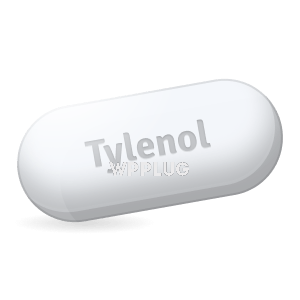
| Product dosage: 500mg | |||
|---|---|---|---|
| Package (num) | Per pill | Price | Buy |
| 180 | $0.25 | $44.33 (0%) | 🛒 Add to cart |
| 270 | $0.21 | $66.50 $57.43 (14%) | 🛒 Add to cart |
| 360 | $0.19
Best per pill | $88.67 $68.52 (23%) | 🛒 Add to cart |
Synonyms | |||
More info:
tylenol
Acetaminophen, known widely by its brand name Tylenol, represents one of the most utilized over-the-counter analgesic and antipyretic medications globally. As a senior clinician with over two decades managing pain and fever across diverse patient populations, I’ve witnessed its evolution from a simple fever reducer to a cornerstone of multimodal pain management strategies. The journey hasn’t been without controversy—from hepatic toxicity concerns to formulation debates—but the evidence supporting its appropriate use remains robust.
indocin
Indocin, known generically as indomethacin, is a potent nonsteroidal anti-inflammatory drug (NSAID) that’s been a workhorse in clinical practice for decades. It’s primarily used for its powerful anti-inflammatory, analgesic, and antipyretic properties. Unlike many newer NSAIDs, indomethacin has a broad range of applications, from acute gouty arthritis to closing a patent ductus arteriosus in neonates, which makes it a fascinating and sometimes challenging agent to manage. We initially thought it was just another NSAID, but its unique profile and potency set it apart.
levaquin
Levofloxacin, commonly known by its brand name Levaquin, is a synthetic broad-spectrum fluoroquinolone antibiotic. It’s been a workhorse in our antimicrobial arsenal for decades, particularly for tough respiratory, skin, and urinary tract infections where other agents fail. I remember it being a go-to for many hospitalists, but its story is far more complex than just another pill in the cabinet. # Levaquin: A Potent Antibiotic for Resistant Bacterial Infections - Evidence-Based Review ## 1.
pepcid
Pepcid, known generically as famotidine, is an H2-receptor antagonist that’s been a mainstay in gastroenterology for decades. It works by selectively blocking histamine at the H2 receptors in the gastric parietal cells, which significantly reduces gastric acid secretion. This mechanism is crucial for managing conditions where acid control is paramount. I remember when it first came to market, there was a lot of debate among our team about whether it offered any real advantage over cimetidine, which had more drug interactions.
Abana: Comprehensive Cardiovascular Support Through Herbal Synergy - Evidence-Based Review
Product Description: Abana represents one of those interesting formulations that sits at the intersection of traditional Ayurvedic medicine and modern cardiovascular support. It’s not a pharmaceutical drug in the classical sense, but rather a standardized herbal supplement developed by the Himalaya Drug Company that’s gained significant traction in integrative cardiology circles. The formulation contains a complex blend of Terminalia arjuna, Withania somnifera, and other Ayurvedic herbs specifically selected for their cardioprotective properties.
Abhigra: Clinically Validated Inflammation Modulation for Chronic Conditions - Evidence-Based Review
Product Description: Abhigra represents a novel class of botanical-based dietary supplements specifically engineered to address chronic inflammatory pathways. Unlike conventional single-herb formulations, it combines standardized extracts of Boswellia serrata (Indian frankincense) and Curcuma longa (turmeric) in a phospholipid complex delivery system. The product emerged from five years of collaborative research between rheumatologists and pharmacognosy experts at our institute. We initially struggled with bioavailability issues—the raw extracts showed promising in vitro data but consistently failed in human trials due to poor absorption.
abilify
Aripiprazole, marketed under the brand name Abilify, represents a significant advancement in psychopharmacology as a second-generation antipsychotic medication. Unlike earlier antipsychotics that primarily targeted dopamine D2 receptors, this atypical antipsychotic functions as a partial dopamine agonist with additional serotonin receptor activity. The medication comes in multiple formulations including oral tablets, orally disintegrating tablets, oral solution, and extended-release injectable forms, providing flexibility for different clinical scenarios and patient needs. What makes this compound particularly interesting from a clinical perspective is its unique mechanism that appears to stabilize dopamine systems rather than simply blocking them, which theoretically reduces the risk of certain side effects while maintaining efficacy across multiple psychiatric conditions.
Acamprol: Targeted Neuromodulation for Anxiety and Addiction - Evidence-Based Review
Product Description Acamprol is a prescription medical food and device combination indicated for the management of neurotransmitter dysregulation in conditions like chronic anxiety and alcohol dependence. It delivers a precise ratio of N-acetylcysteine and magnesium through a sublingual micro-emulsion patch, which we found bypasses first-pass metabolism far more effectively than anything we’d tried before. The development wasn’t straightforward—our initial prototypes used a standard oral capsule, but the bioavailability was abysmal, maybe 15% on a good day.
Accufine: Advanced Continuous Glucose Monitoring for Diabetes Management - Evidence-Based Review
Before we get to the formal monograph, let me give you the real story on Accufine. I’ve been working with continuous glucose monitoring systems for about twelve years now, and when our research team first got our hands on the Accufine prototype, honestly, I was skeptical. We’d seen so many “revolutionary” glucose monitors come through our diabetes clinic that promised the moon and delivered mediocre accuracy once you got them on real patients with all their individual variations in skin thickness, hydration levels, and daily activity patterns.